Mississippi Pot Roast with a twist

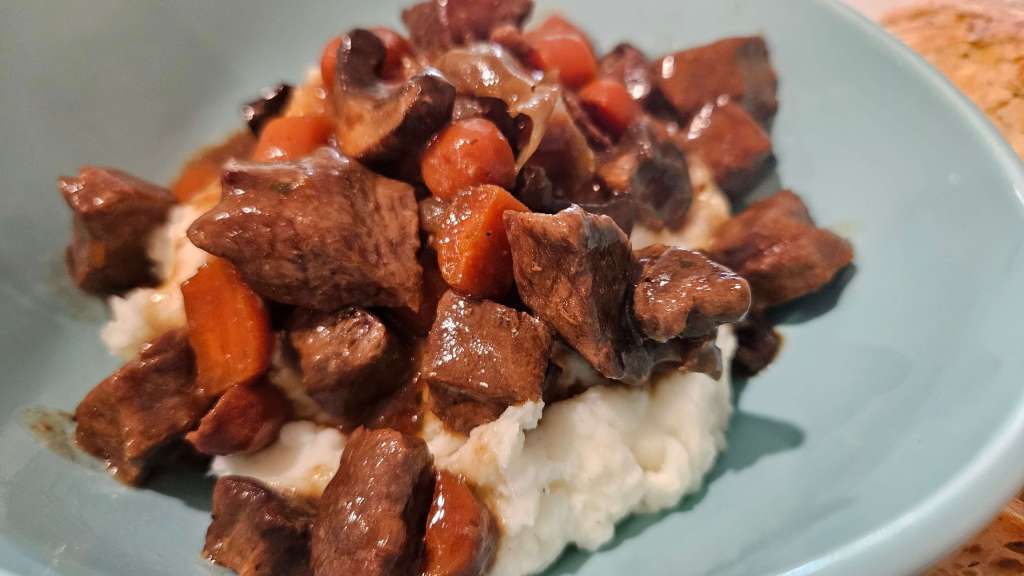
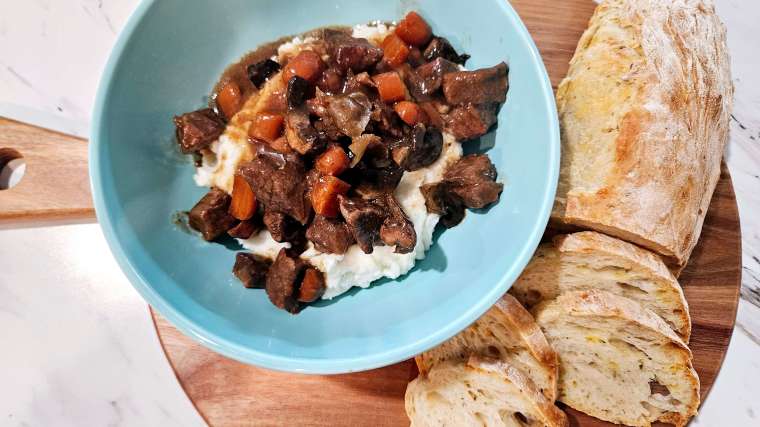
Imagine sinking your fork into a tender, melt-in-your-mouth Mississippi pot roast, the rich, savory aroma filling the air as the juices soak into every fiber of the beef. The roast, slow-cooked to perfection, is bathed in a flavorful gravy made from a magical combination of ranch seasoning, au jus, vegetables, and pepperoncini, giving it a tangy yet hearty bite that’ll make your taste buds sing. And the best part? You’ve got a warm, fluffy loaf of homemade bread (recipe here) to sop up every last drop of that luscious sauce. Each bite is a symphony of comfort, with the pillowy bread acting as the perfect companion to the succulent roast. This meal isn’t just food; it’s a hug for your soul.

Ingredients:

  • 3-4 lb. Beef chuck roast (boneless or bone-in)
  • 1 packet ranch dressing mix (preferably the dry seasoning mix)
  • 1 packet au jus gravy mix
  • 3 Tbs. Unsalted butter
  • 6-8 pepperoncini peppers (with some juice)
  • 1/4 cup of the pepperoncini juice (or more to taste)
  • 2 Carrots, cut into 1 inch pieces
  • 1 lb mushrooms (your favorite ones) cut in quarters
  • Salt and pepper (to taste; I don’t use this since there are other seasonings)

Instructions:

Step 1: Prep the Roast

  • Season the Roast: Pat the beef chuck roast dry with paper towels. Season generously with salt and pepper on all sides.
  • Sear the Roast (Optional): Heat 1 tablespoon of olive oil in a large skillet over medium-high heat. Once hot, sear the roast on all sides (about 3-4 minutes per side) until it’s nicely browned. This step is optional but adds depth of flavor.

Step 2: Prepare the Slow Cooker

  • Place the seared (or raw) roast in the slow cooker.
  • Sprinkle the ranch dressing mix and au jus gravy mix evenly over the top of the roast.

Step 3: Add Butter and Peppers

  • Slice the butter into a few pieces and place them directly on top of the roast.
  • Scatter the pepperoncini peppers around the roast, and pour in about 1/4 cup of the pepperoncini juice. You can add more juice if you want a more tangy kick.

Step 4: Add Vegetables

  • Carrots: Arrange the baby carrots (or cut regular carrots) around the roast in the slow cooker.
  • Mushrooms: Add the sliced mushrooms on top of and around the roast as well. These will soak up all the savory flavors and tenderize perfectly as the roast cooks.

Step 5: Slow Cook the Roast

  • Cover the slow cooker and cook the roast on low for 7-8 hours or until the roast is fork-tender and can easily be shredded. If you’re in a time crunch, cook on high for about 4-5 hours. The vegetables should be tender and infused with all the delicious flavors.

Step 6: Shred the Roast

  • Once the roast is done, remove it from the slow cooker and place it on a large cutting board. Use two forks to shred the beef into bite-sized pieces.
  • Stir the remaining cooking juices in the slow cooker to combine the flavors from the ranch mix, au jus, butter, and pepperoncini juice.

Step 7: Return the Shredded Meat to the Slow Cooker

  • Add the shredded beef back into the slow cooker, stirring to coat the meat and vegetables in the rich gravy.

Step 8: Serve and Enjoy

  • Serve the Mississippi Pot Roast with carrots and mushrooms over mashed potatoes, rice, or alongside a warm loaf of homemade bread (Recipe here) The tender, juicy meat, savory vegetables, and rich gravy will make every bite a comforting delight.

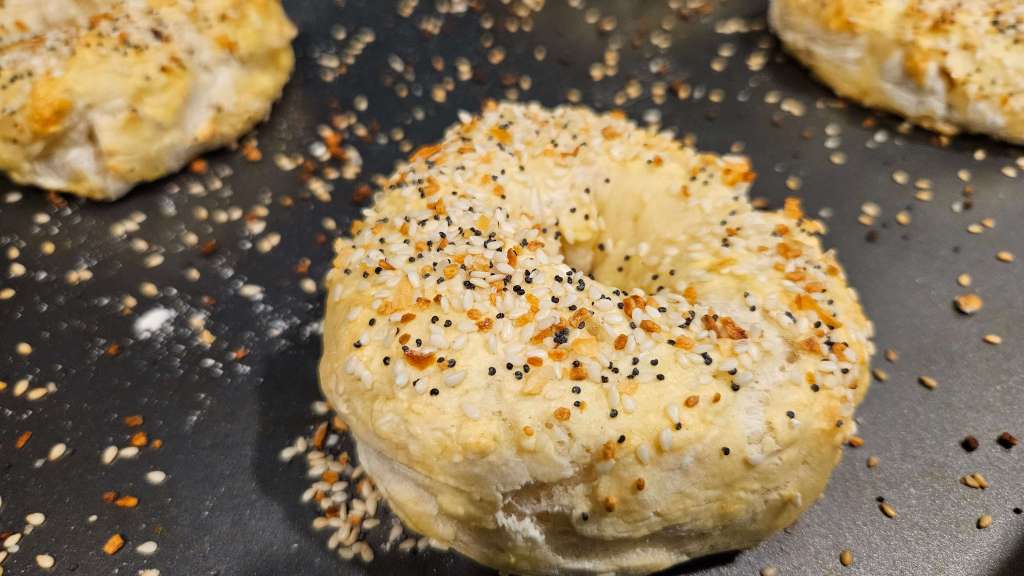
2-Ingredient Bagels? What? No way!

Easy and foolproof 2-ingredient bagel recipe made with Greek yogurt and flour – That is it! 

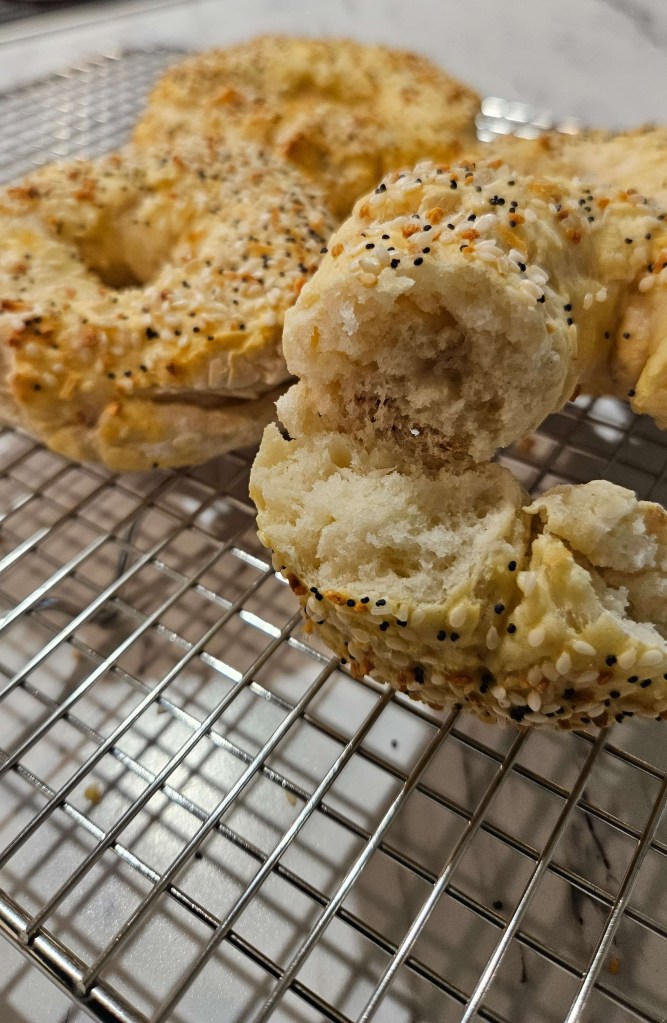
Imagine biting into a warm, freshly baked bagel that’s perfectly golden on the outside and delightfully chewy on the inside – all made with just two simple ingredients! It sounds too good to be true, right? But with this easy, no-fuss recipe, you can create homemade bagels in a fraction of the time it takes to go to the bakery. No yeast, no fancy equipment, and no long hours of kneading—just two basic ingredients that come together to form a dough so simple, yet so satisfying. If you’ve ever wanted to enjoy the magic of homemade bagels without the hassle, this is the recipe for you!

Bagel ingredients:
1 ¼ Cups of Self Rising Flour
1 Cup Plain Greek Yogurt

Instructions:
1. Preheat the oven to 180C/350F. Line a baking tray with parchment paper and set aside.
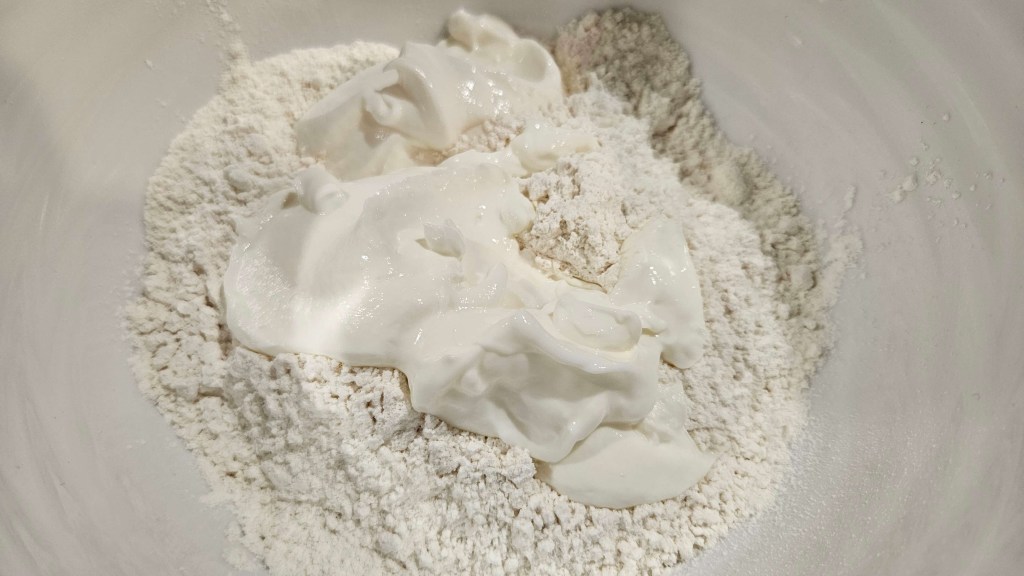
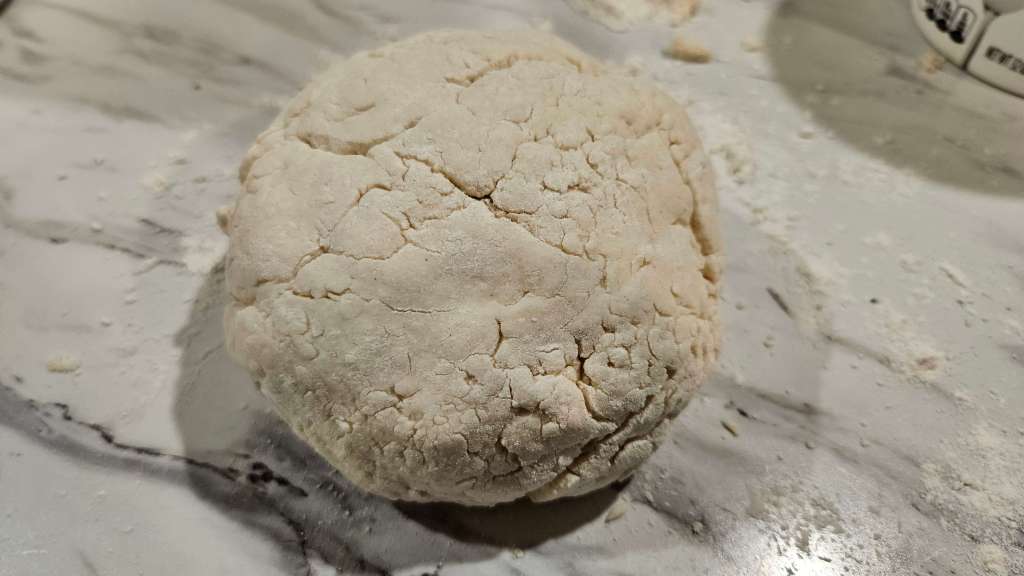
2. In a large mixing bowl, combine your flour and Greek yogurt and mix well, until fully combined and a ball of dough remains.
3. Lightly grease a kitchen surface with extra flour. Place the ball of dough on top, and top with a little extra flour.
4. Slice into 4 even pieces.
5. Use your hands to roll the dough into a thin, sausage shape. Join both ends of the dough to form a bagel shape. Place on the lined tray and repeat until 4 bagels are formed. Lightly brush the tops of each bagel with either butter, egg, milk or water. Sprinkle the seeds on top. (Optional)
6. Bake the bagels for 22-25 minutes, or until golden brown. Remove from the oven and allow to cool completely.

Whether you enjoy them plain, with your favorite spread, or piled high with toppings, these bagels are a perfect reminder that sometimes the simplest recipes are the most rewarding. So the next time you’re craving a fresh, warm bagel but don’t have the time or patience for a complicated recipe, remember this easy two-ingredient trick—because homemade bagels have never been easier or more satisfying!

NOTES:

To store: Place cooked and cooled bagels in a ziplock bag. Bagels generally keep fresh for at least 5 days. You CAN keep them at room temperature, provided you eat them within 3 days.

To freeze: Either place bagels in ziplock bags individually or all of them together in one bigger bag. Frozen bagels will keep for 6 months.

UPDATE – From Epic Fail to Perfection

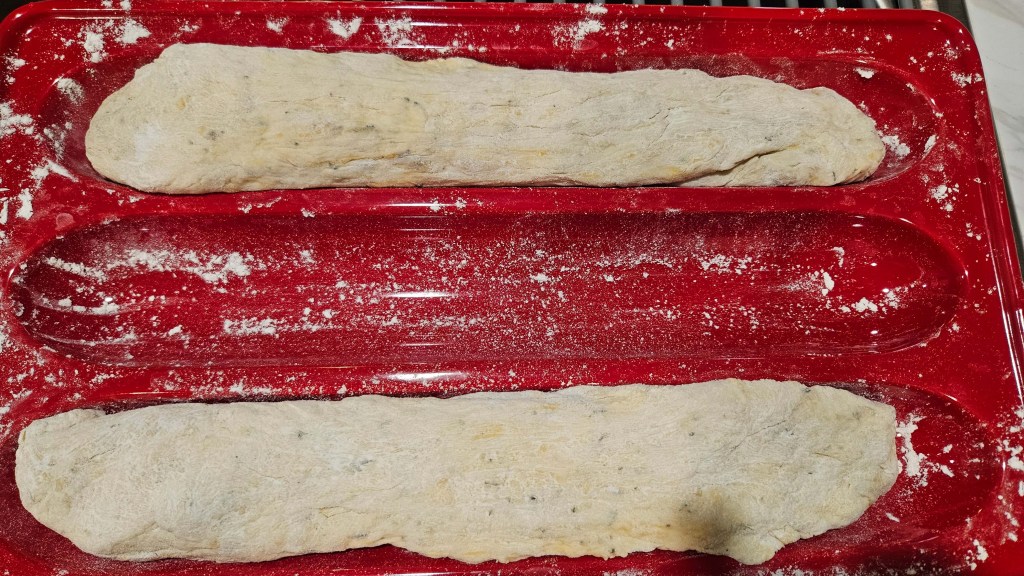
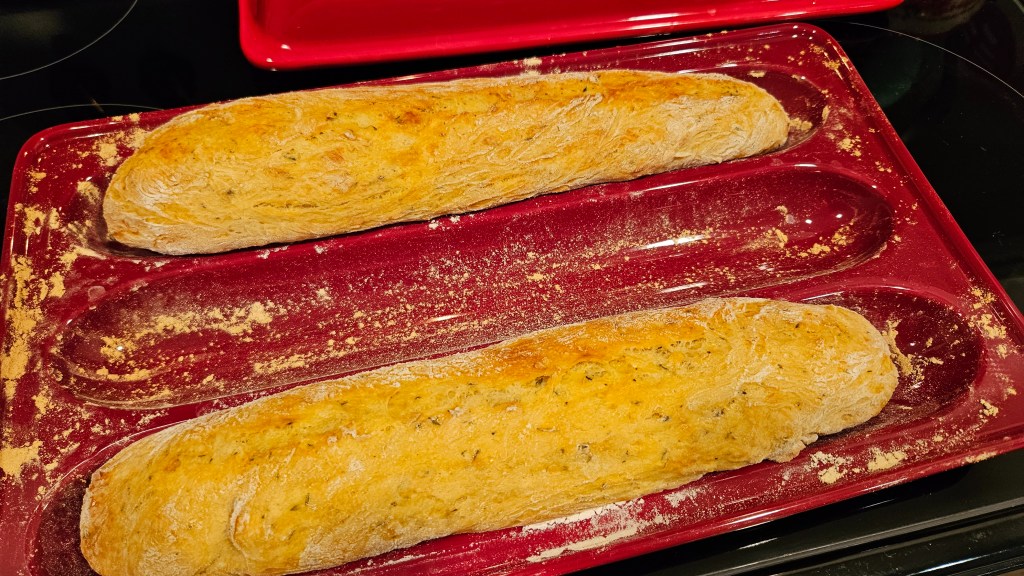
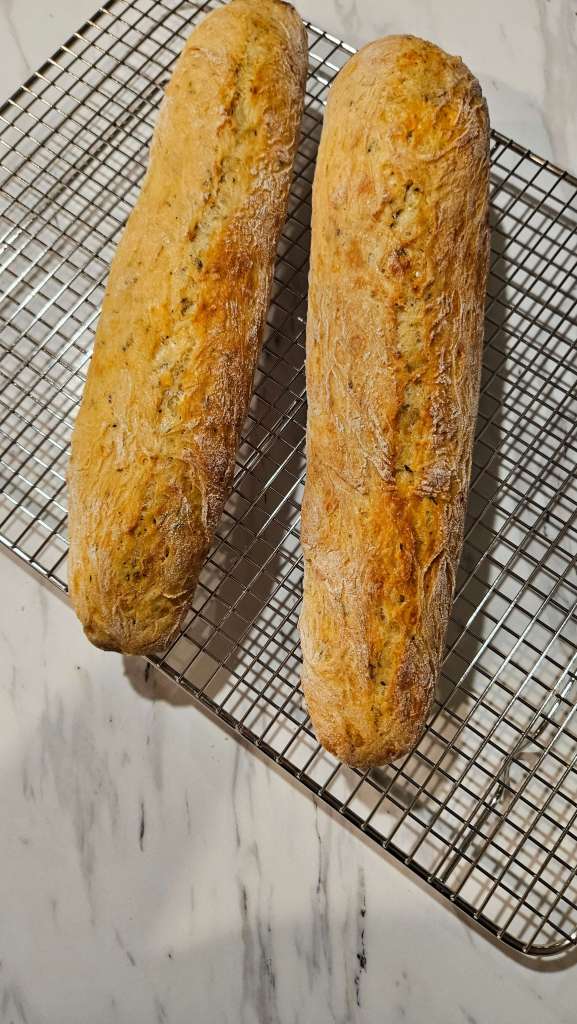
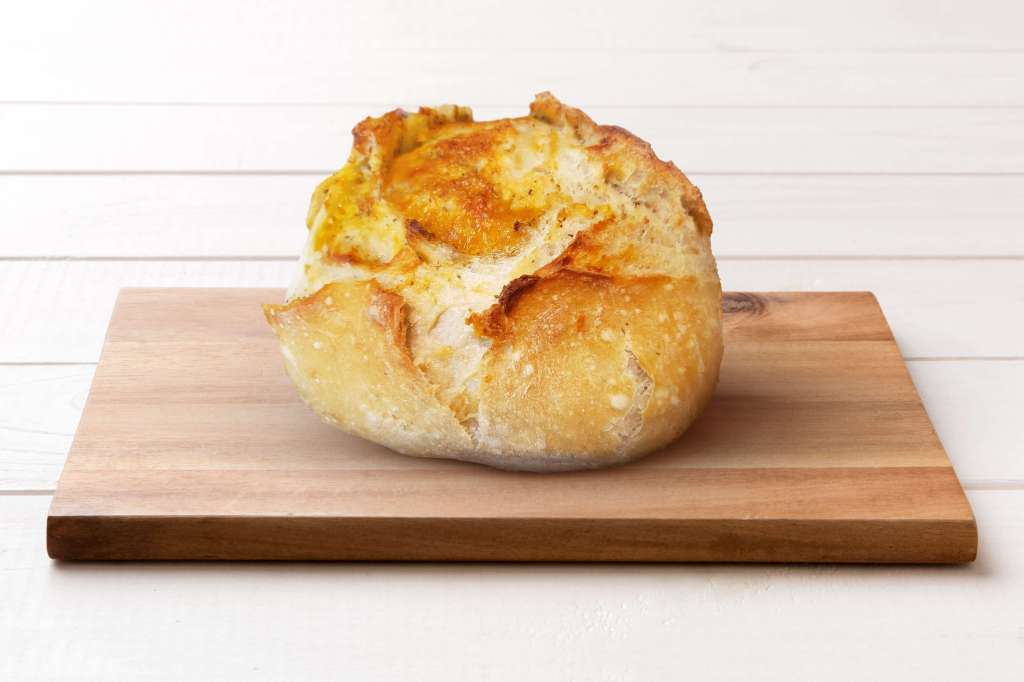
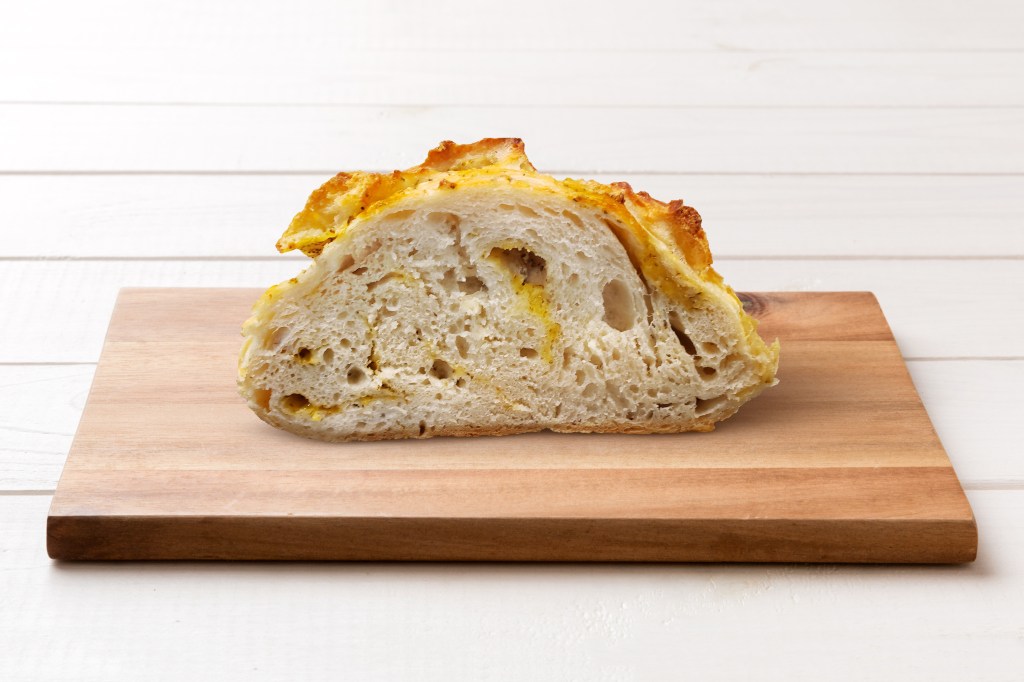
I’m sure some of you remember my post yesterday about the epic-fail bread in my new ceramic pan. Well, after starting my dough this morning and letting it sit all day, it was ready to be made!

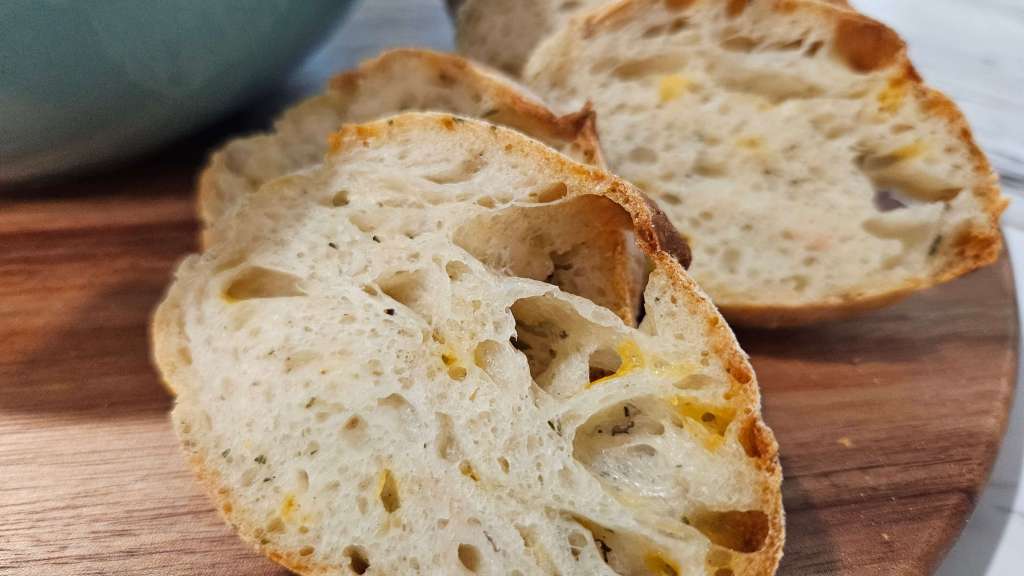
Well guys, here it is! Round 2 using this new ceramic pan. I must say, I made an ever so slight adjustment and wala perfection! See for yourself! I couldn’t be more happy with the outcome!

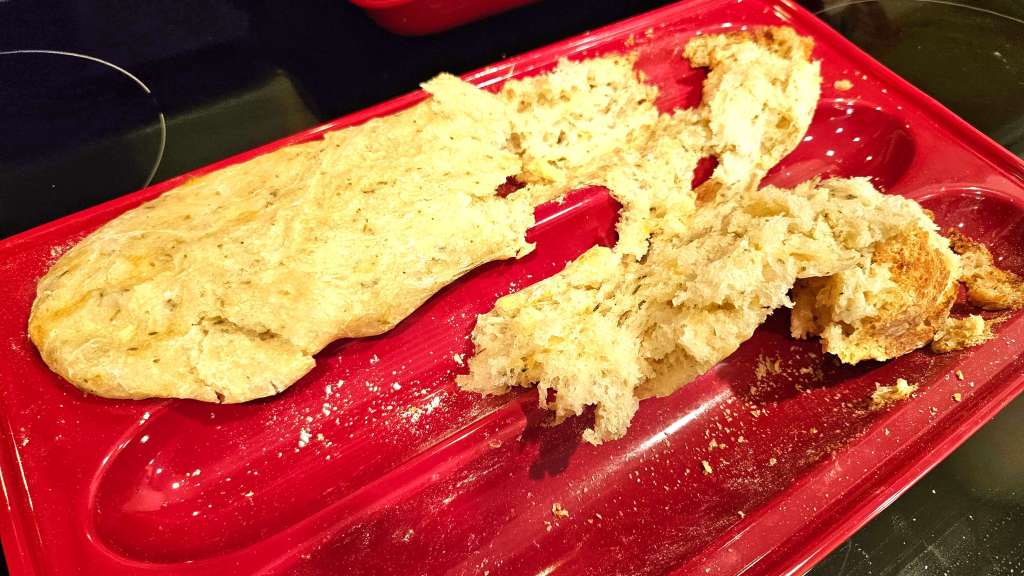
Epic Fail – Bread

Epic Fail: The Great Bread Pan Disaster of 2024

So, there I was, feeling like an absolute kitchen wizard. My new ceramic bread pan had arrived in all its pristine, glossy glory, and I was ready to bake the perfect loaf of bread. I had visions of golden-brown perfection, soft interiors, and an Instagram-worthy slice that would make my friends ask, “Who’s the baker behind this masterpiece?”

Spoiler alert: It wasn’t me, not today!

My excitement was palpable. I gathered my ingredients—flour, yeast, water, and the most important secret ingredient of all: optimism.

But here’s where the story takes a tragic turn: The ceramic bread pan.

I did everything the instructions said to do, to the T and I mean to the T! Because I had learned the hard way that bread and pans don’t always get along unless they’re properly prepared. I was sure I had done everything right. As I slid the dough into the pan, I thought to myself, “Look at this beautiful loaf. It’s going to be my best one yet!

I placed the pan in the oven, set the timer, and awaited my destiny. The smell of freshly baked bread filled the house, and I started to picture myself slicing through the crispy crust, butter slowly melting on each piece.

But, as all great kitchen disasters go, reality doesn’t always match the dream.

The timer beeped, and I pulled the bread out. The moment I tried to remove the loaf from the pan, I discovered the truth. The bread wasn’t coming out. It was stuck. Stuck like a bad first date. I tried gently coaxing it with a spatula, but it was like the dough had bonded with the ceramic in a way that was… permanent.

I tried running a knife around the edges, thinking I could free it, but no luck. At that moment, I realized I was staring at a loaf of bread that had officially become one with its ceramic home. It had decided to make this pan its permanent residence. I was the outsider here, trying to evict it. The dough had staged a full-on coup.

I resorted to using a spatula to literally scrape the loaf out. When I finally freed the bread (or what was left of it), it had a slightly tragic shape—more “abstract loaf” than “artisan bread.”

As I stood there, holding my sad, misshapen, slightly scorched loaf of bread, I realized one thing:

  1. Ceramic bread pans are great… until they’re not.

Lesson learned: bread may rise, but sometimes it rises in the wrong places… like inside the ceramic pan you can never get it out of.

Well, I guess there’s always tomorrow!

EASY no knead cheese and herb artisan bread! Like seriously scrumptious!

Making homemade fresh bread has never been so easy! This is by far the best and easiest no-knead bread I’ve ever made and trust me I’ve made a lot of bread over the past several months. I’ve not had much luck with the recipes that I’ve tried, but I’ve been tweaking and experimenting, and let me just say, wow, it’s incredible! 

This recipe is simple, you just mix the ingredients and let it sit in a bowl for 3 to 18 hours. I left mine anywhere from 6 to 10 hours before. This is a very flexible recipe and should help with the busy schedules we tend to have!

There are only 4 main ingredients for this recipe, plus the cheese and herbs of course!

Flour – I actually used bread flour, but all-purpose will work too!

Salt – Don’t forget this one!

Active Dry Yeast – you don’t need much, and it’s important to make sure your yeast isn’t expired!

Hot Water – Between 95F-110F

Cheddar Cheese – You can use whatever cheese you like, but I prefer cheddar cheese, yummy!

Herbs – I used rosemary and thyme in mine, but you can use what you prefer. You really can’t go wrong here.

Here are the ingredients that you’ll need:

  • 3 Cups – Bread flour or All purpose flour (I used bread flour) (plus some for dusting)
  • 1 Tsp. – Salt
  • 1/2 Tsp. – Dry active yeast
  • 1 ¾ Cups – Warm water 95F-110F
  • 1 ½ Cups – shredded cheddar cheese (Optional) I’ve made this recipe with or without it
  • 1 Tsp. – Thyme (more or less depending on your taste) (or your choice of herbs)
  • 1/2 Tsp. – Rosemary (more or less depending on your taste) (or your choice of herbs)

Here are the steps to make this no-knead cheese and herb bread.

Step one: In a large bowl stir together flour, salt, cheese, rosemary, and thyme. Give it a quick stir and then add the yeast. (Salt slows down the yeast, so I wouldn’t have them in direct contact) Add in the water and mix thoroughly. The dough should be sticky. 

Step Two: Cover the bowl and let sit on the counter to rest for 3-10 hours or for up to 18 hours. You want the dough to double in size and start to have small bubbles on top.

Step Three: Once your dough has rested, place your Dutch oven in the oven to preheat at 450F

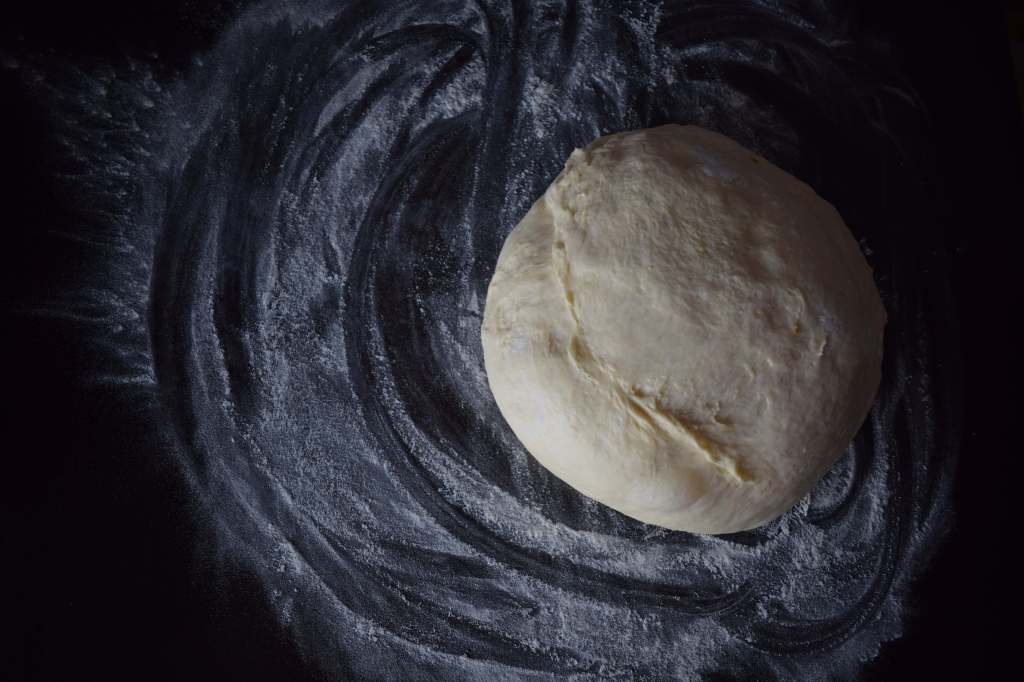
Step Four: While your Dutch oven is preheating, flour your work surface and remove the dough from the bowl. Shape into a ball, put onto some parchment paper, cover with a towel, and let rest until the oven is ready. 

Step Five: Once the oven is ready, place the parchment paper with the dough into the Dutch oven, using a knife, make a slice on the top of the dough ball. This will help it expand, plus it makes it look so much nicer! Cover and bake for 30 minutes

Step Six: After 30 minutes, remove the top from the Dutch oven and bake for another 15 minutes. 

If you don’t have a Dutch oven, do not worry! Just place a pan of water in the bottom of your oven to create a steamy environment. Use a cast iron pan or a ceramic heat-proof dish. After 30 minutes, take the pan of water out and let it continue to cook until golden brown.  ENJOY!

There are 3 different ways to tell if your bread is done. 

  1. Using a thermometer, most bread is done when the internal temperature reaches 190F
  2. Give the bottom a few taps, if it sounds hollow, it’s done.
  3. Color. The crust for the most part should be dry and firm, and a deep golden brown color. If it’s still rather pale, give it a few extra minutes.